

SMUD Museum of Science and Curiosity
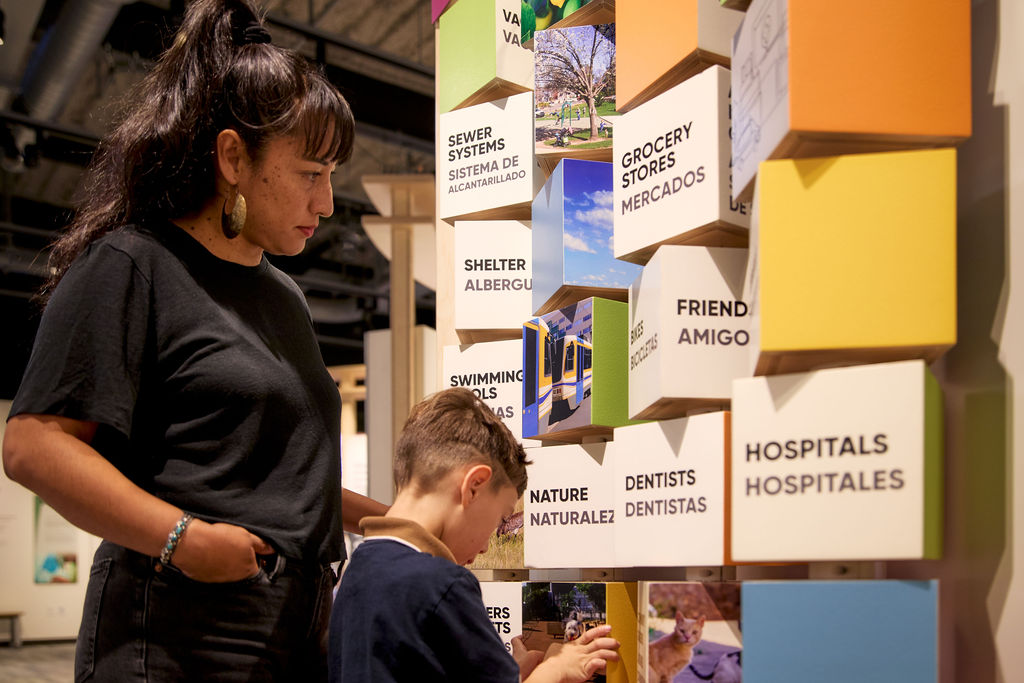
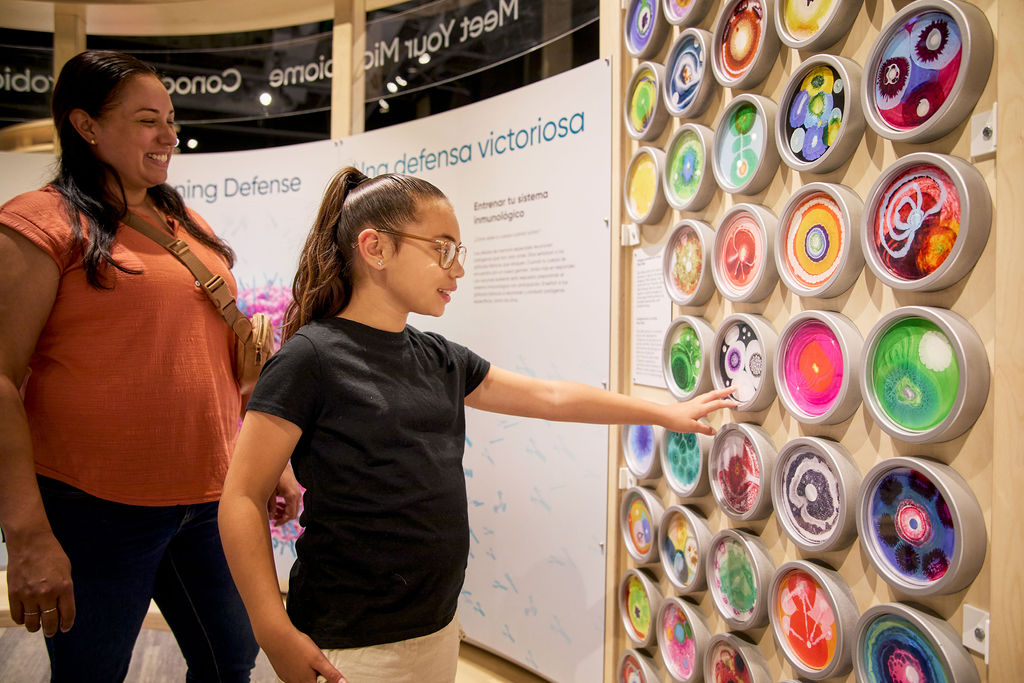
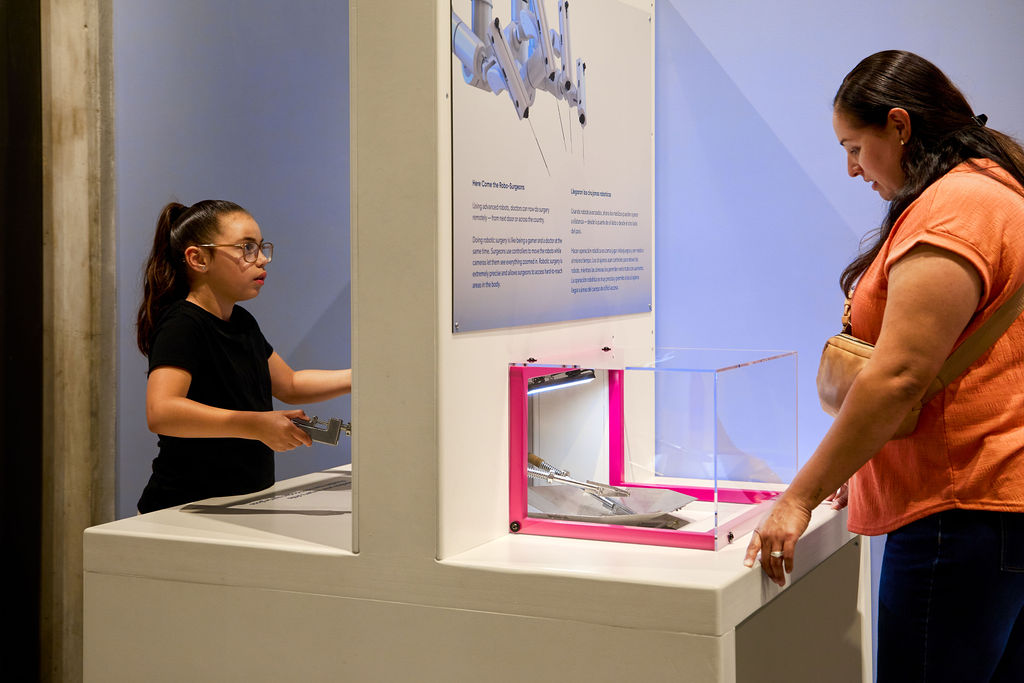
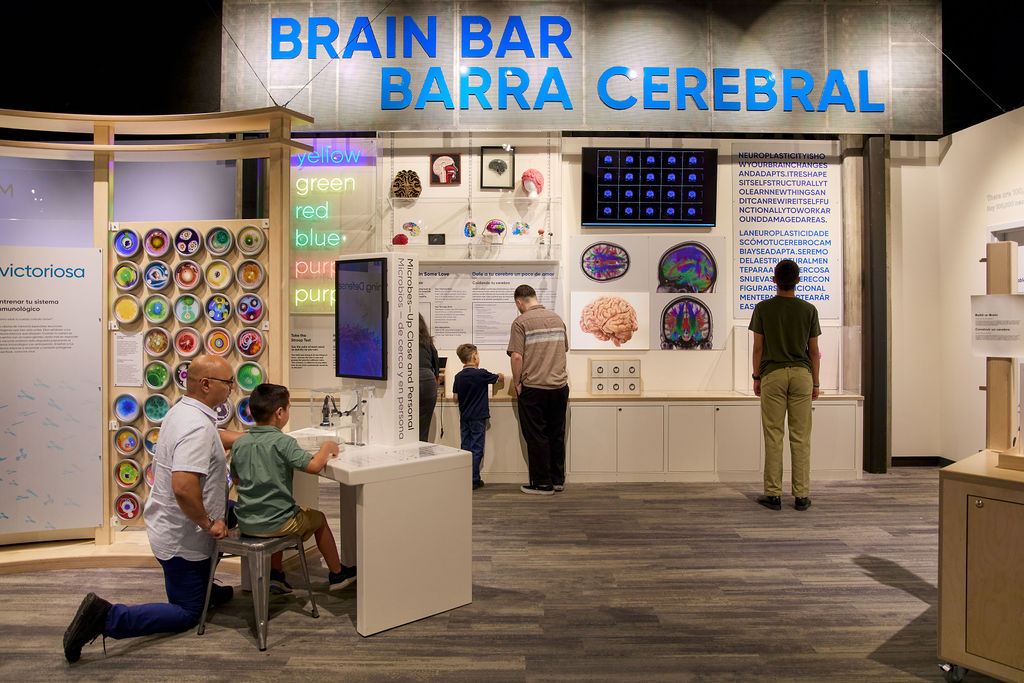
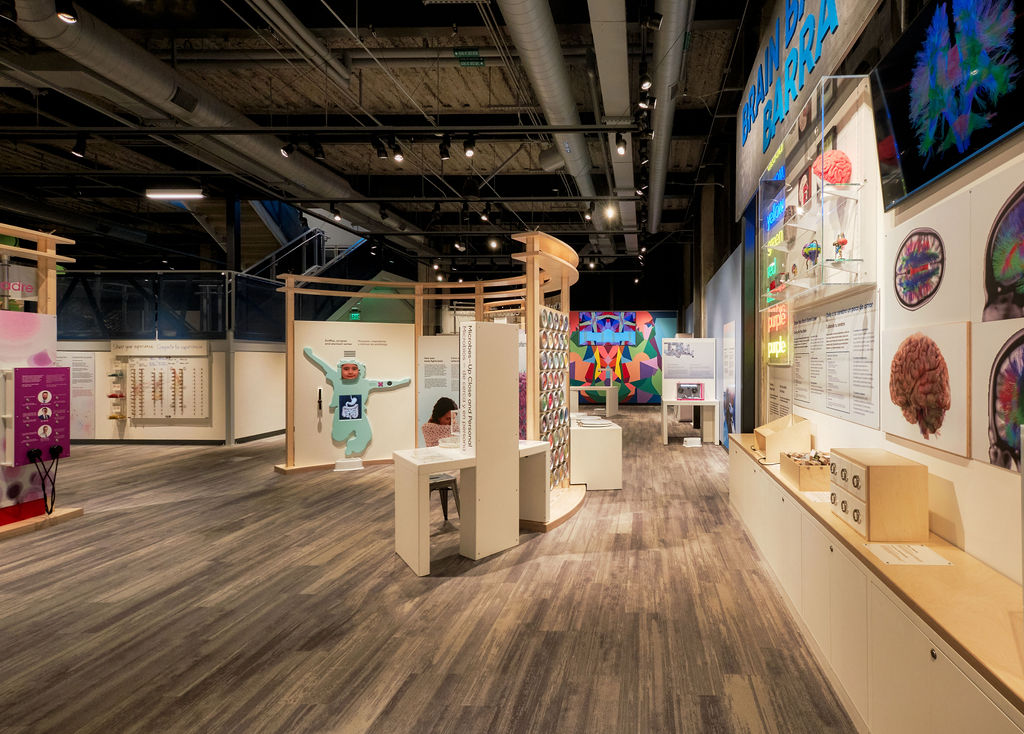
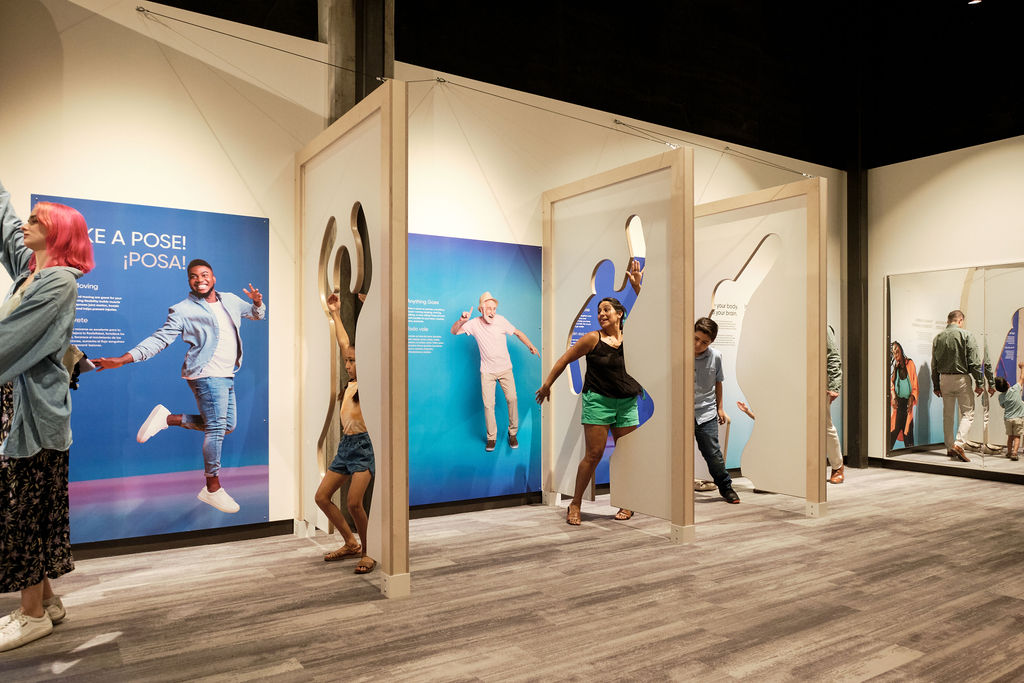
The Health Connections | Conexiones de Salud gallery at the SMUD Museum of Science and Curiosity explores the many factors that shape personal and community health. Embedded within the Blue Rhino Design team, EDM helped design this bilingual gallery’s digital exhibits, including the participatory Healthy Art Mural and the mixed-reality Mirror Me interactive.
Situated in Sacramento, California, the SMUD Museum of Science and Curiosity (MOSAC) is Northern California’s immersive science center and community gathering space. Housed in a historic power station overlooking Matsui Waterfront Park along the Sacramento River, MOSAC is a dynamic epicenter for STEAM education and an anchor point for Sacramento’s revitalized waterfront.
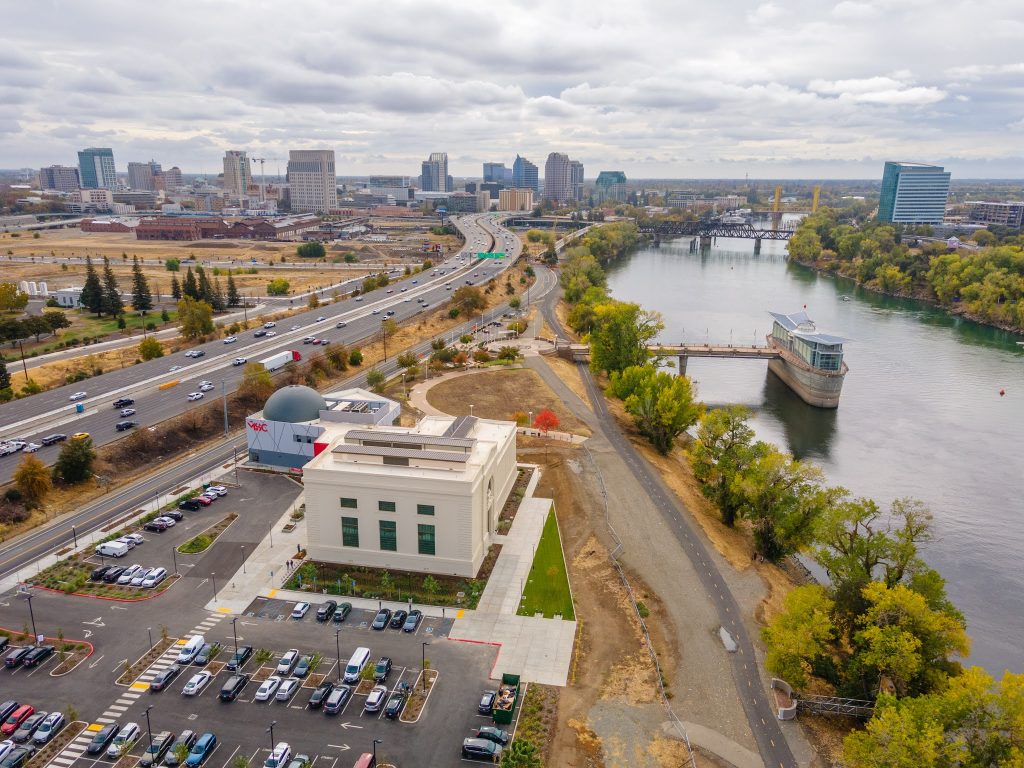
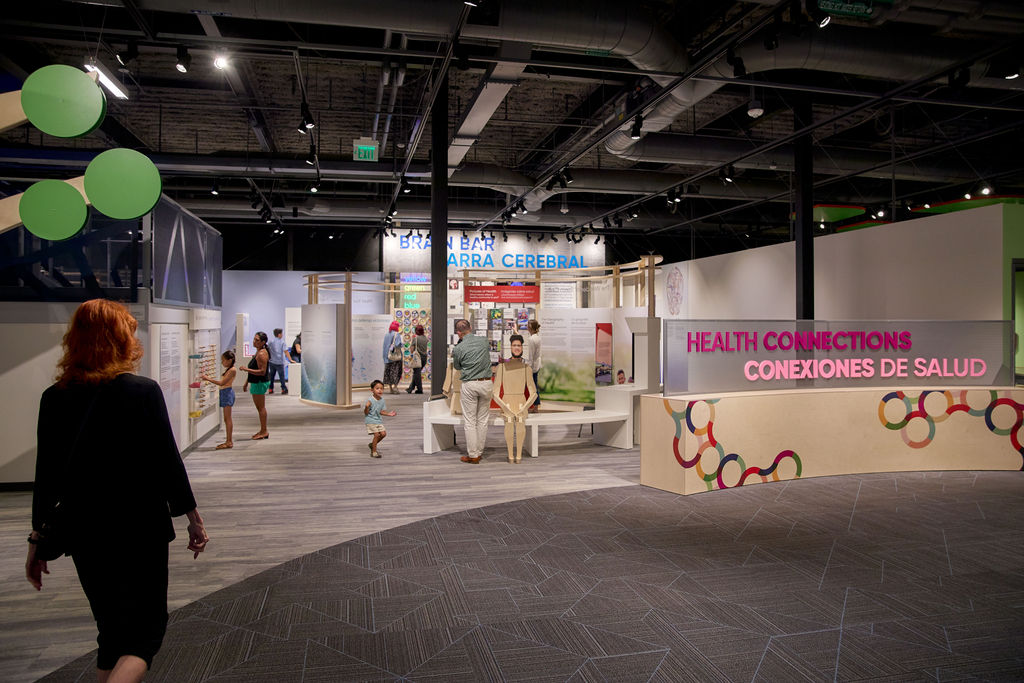
In 2023, Blue Rhino was selected to lead the design of Health Connections / Conexiones de Salud, a 3100 square-foot permanent gallery to explore the intricate relationships between individual health and broader social influences, with a particular focus on Sacramento.
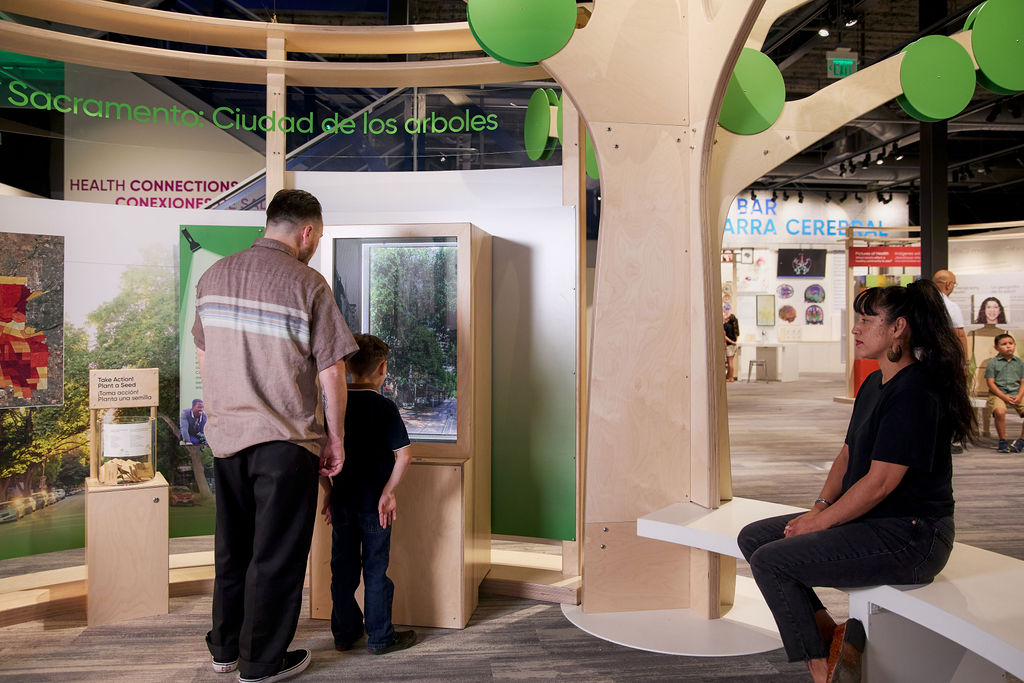
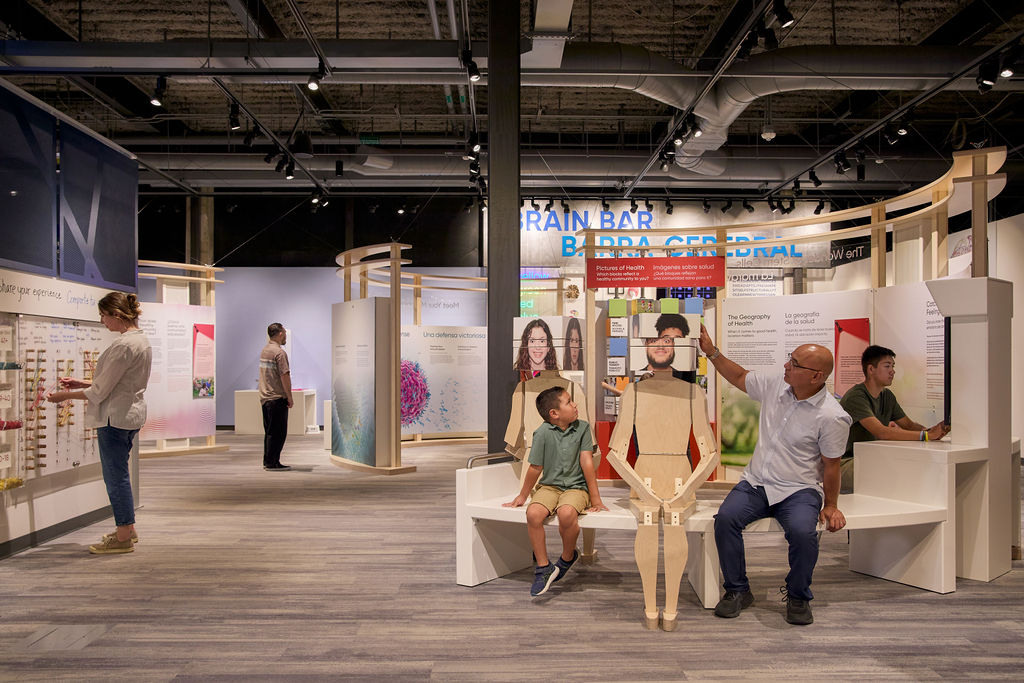
This bilingual gallery (the museum’s first) examines mental wellness, physical activity, nutrition, environment, and the social determinants of health through a distinctly local lens, inviting children and adults alike to reflect on their own habits, attitudes, and behaviours while considering larger questions of personal and community health.
Fabricated by the fine folks at Ravenswood Studio, Health Connections | Conexiones de Salud opened to the public on June 7, 2024.
Prototyping with Blue Rhino
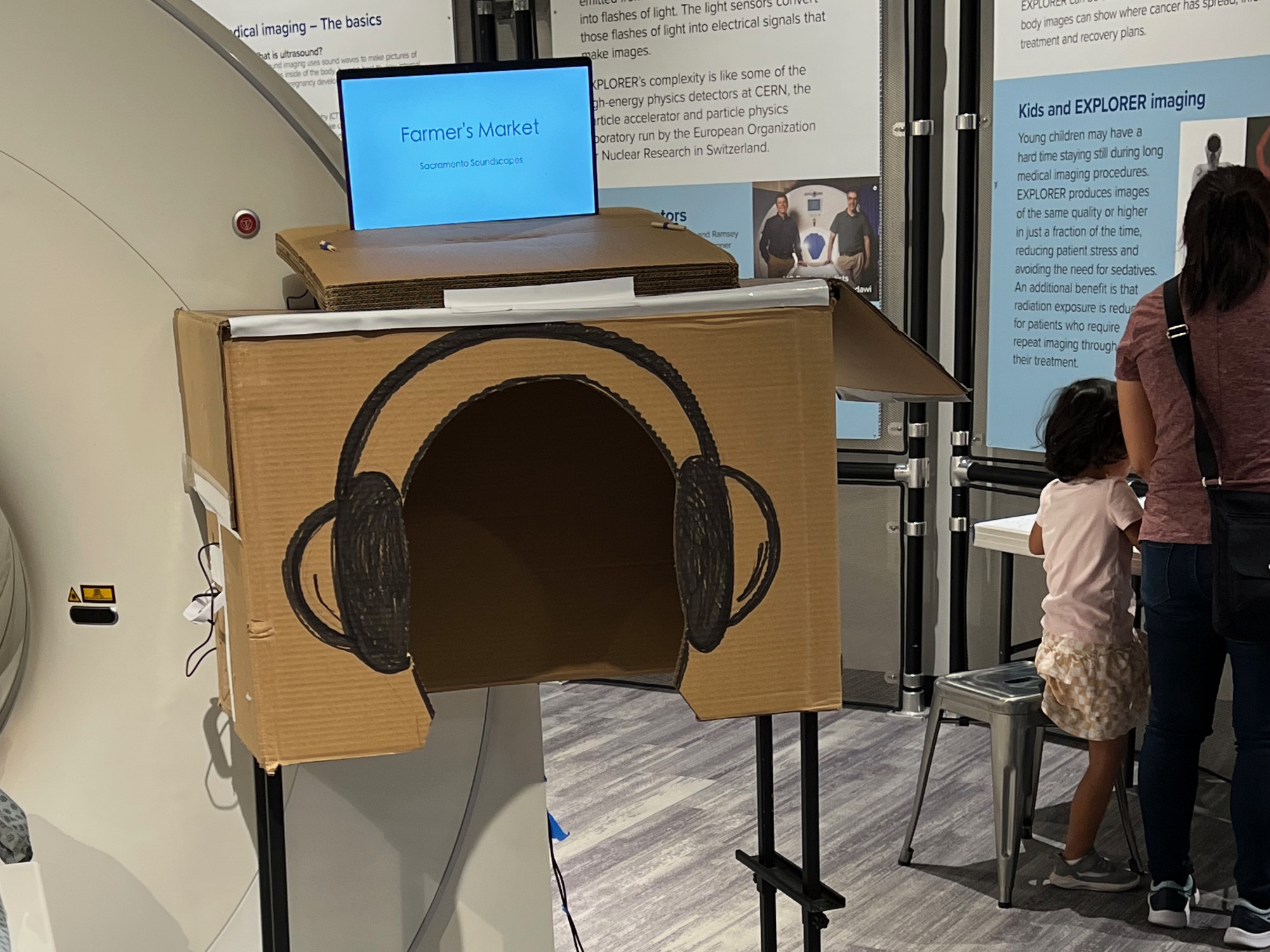
Working with the MOSAC team and health and wellness experts, Blue Rhino developed the 15-exhibit gallery experience through an extensive process of ideation and pilot-testing. At every step, they undertook extensive consultation with community stakeholders and subject matter experts. EDM Studio’s Darran Edmundson was embedded as part of the Blue Rhino team, serving as its technology and audio-visual design expert throughout the project.
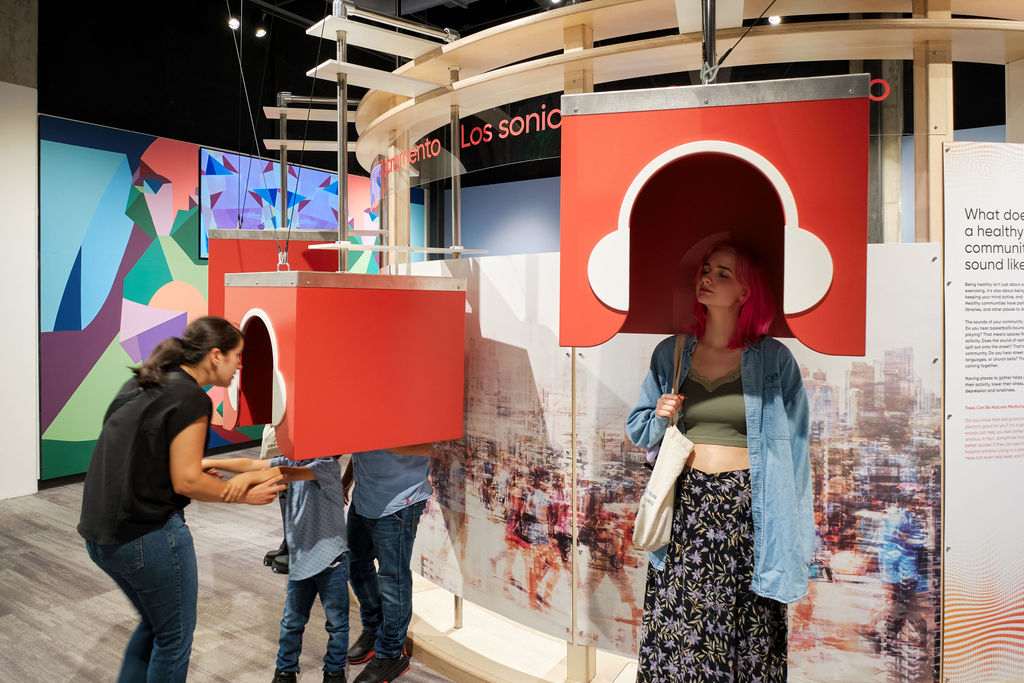
Working with EDM Studio on MOSAC’s Health Connections / Conexiones de Salud gallery was a wonderful experience. Their innovative, guest-centered approach emphasized creativity, play, and the power of awe to create exhibits that are both engaging and meaningful.
EDM’s iterative prototyping process ensured experiences were thoroughly tested and refined. The result was reliable, durable exhibits that have become favorites among our guests and continue to inspire curiosity and conversation!
Healthy Art Mural
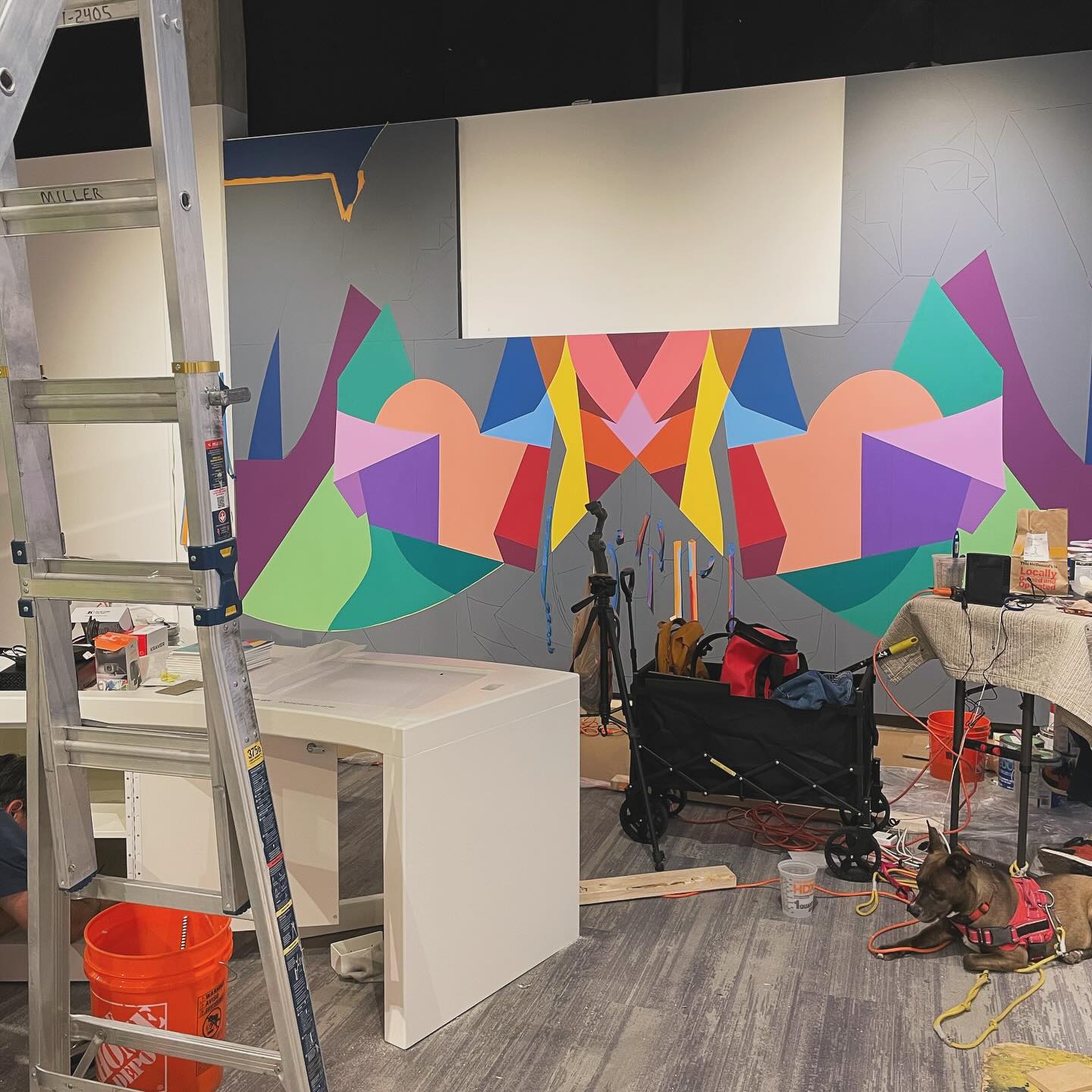
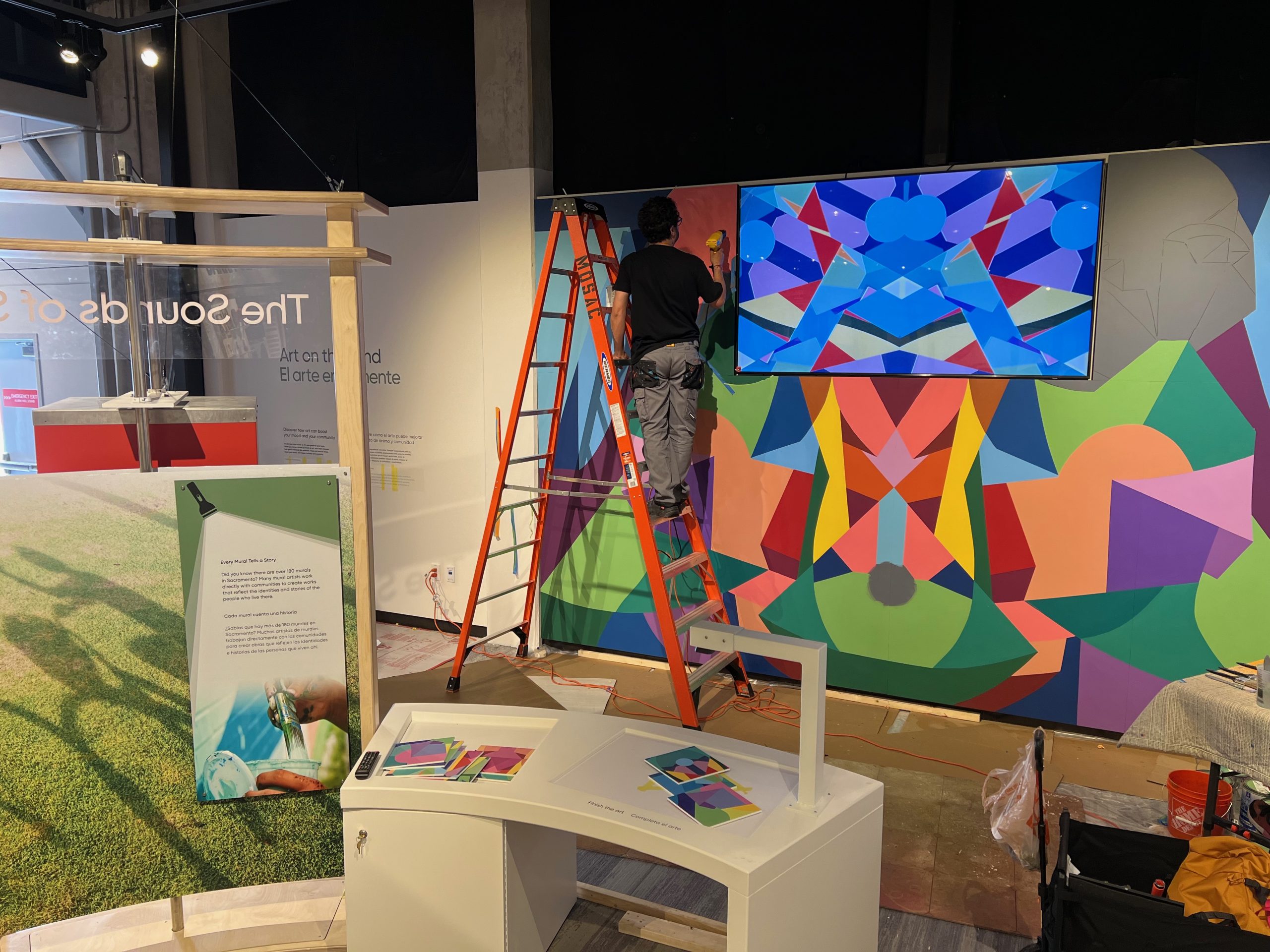
Created in collaboration with Los Angeles-based Venezuelan artist Leonardo Moleiro, Healthy Art Mural invites visitors to extend a geometric wall mural through their own temporary compositions.
The experience connects physical making with a larger collective artwork, allowing visitors to move back and forth between hands-on composition and a shared visual outcome. Leonardo Moleiro’s graphic, geometric approach gives the exhibit a strong formal identity, while the digital system allows each visitor’s temporary arrangement to become part of a continuously changing mural.
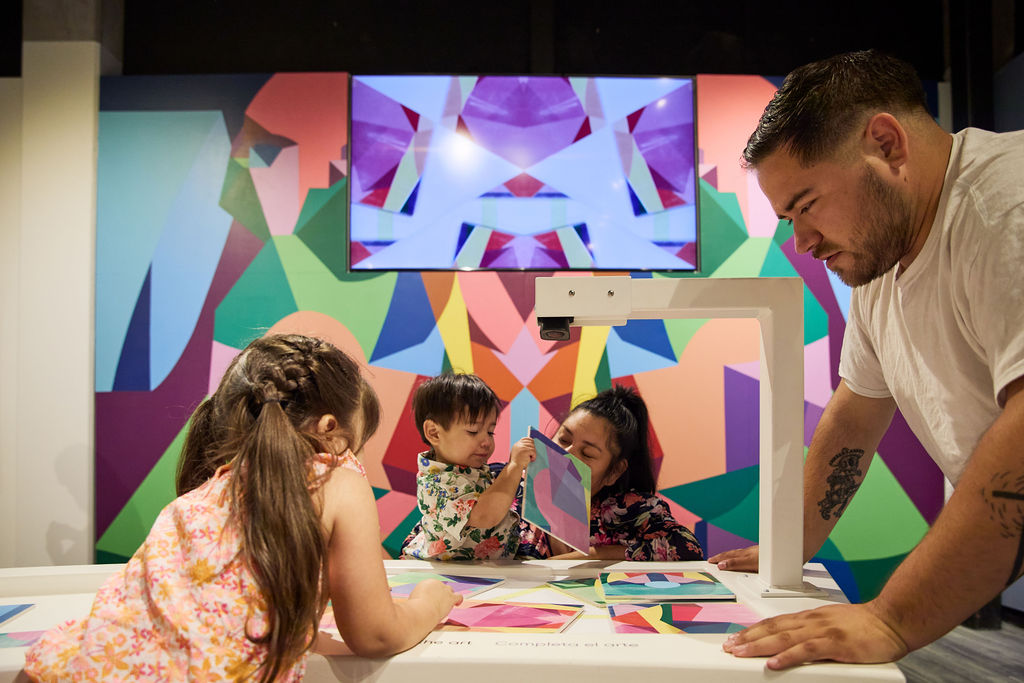
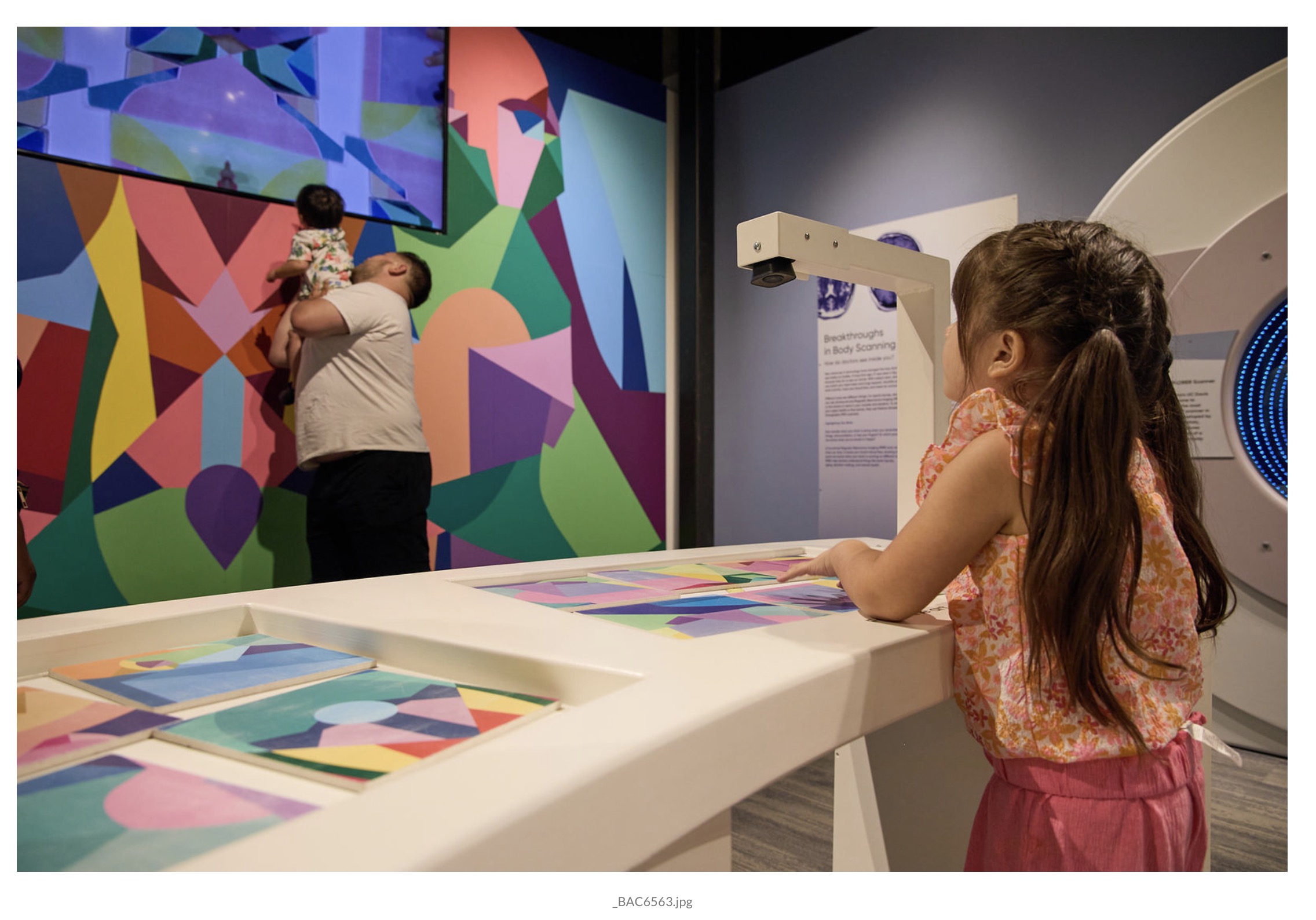
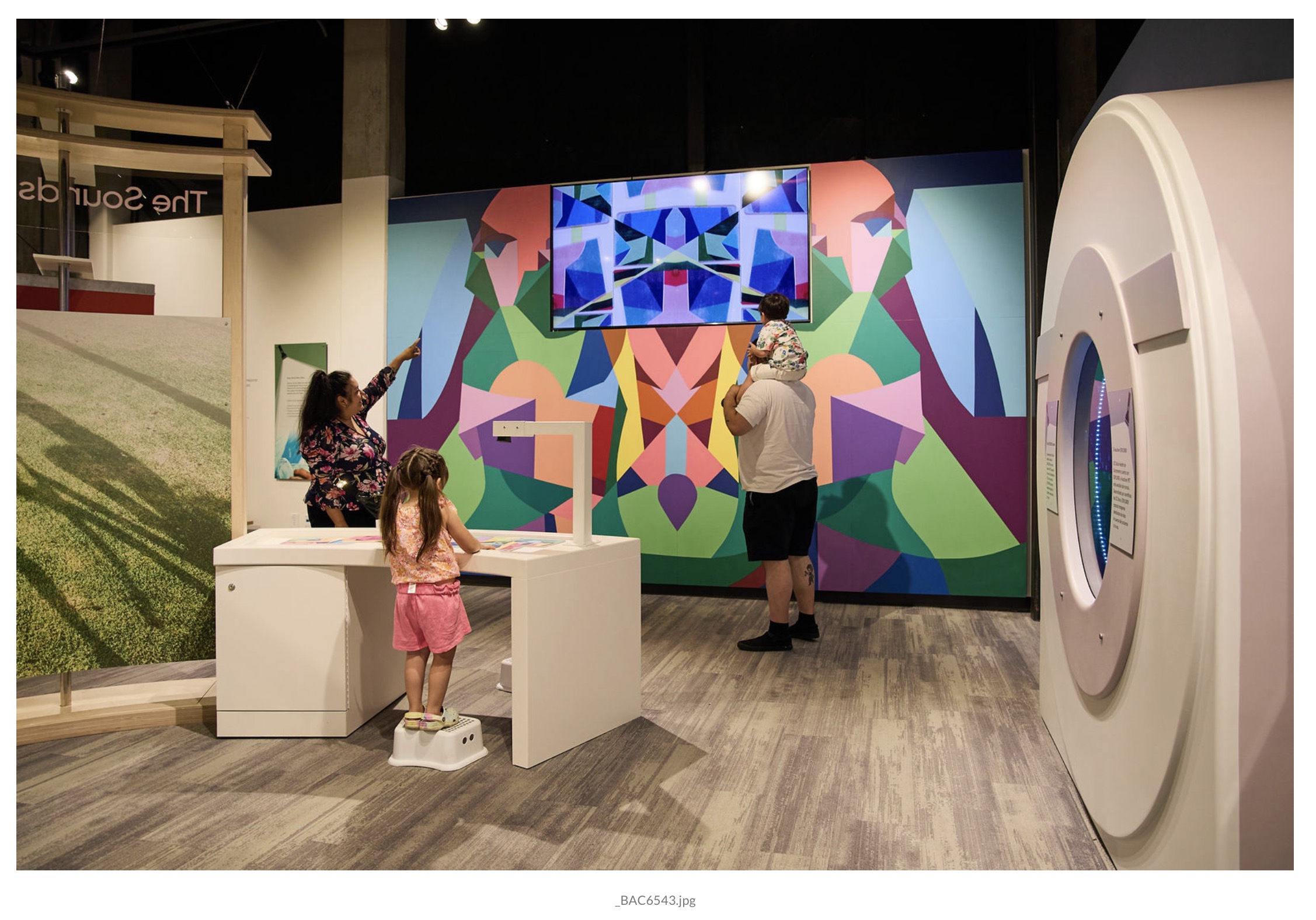
A key factor in the successful realization of this exhibit was the small test rig that EDM prepared and shipped to Moleiro. This portable stand, camera and its accompanying prototype software allowed Leonardo to experiment in his studio, developing both the mural and the arrangeable tiles in unison.
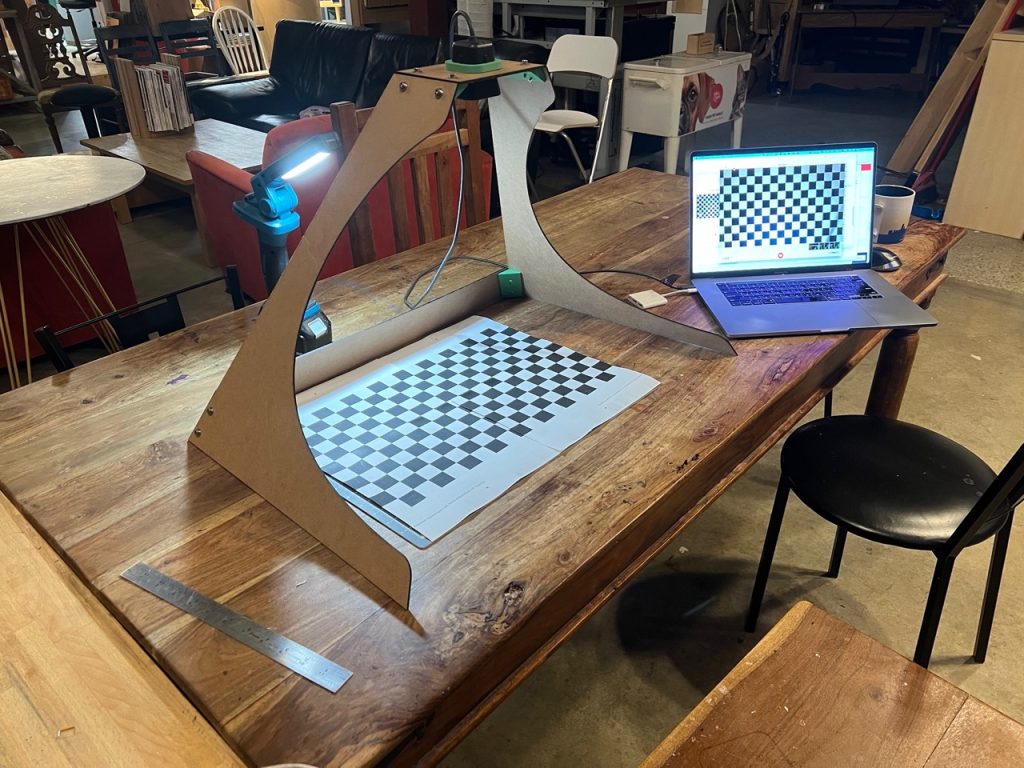
Developmental test rig that was shipped to the artist. This allowed Leonardo to understand how his tiles would affect the final kaleidoscopic output.
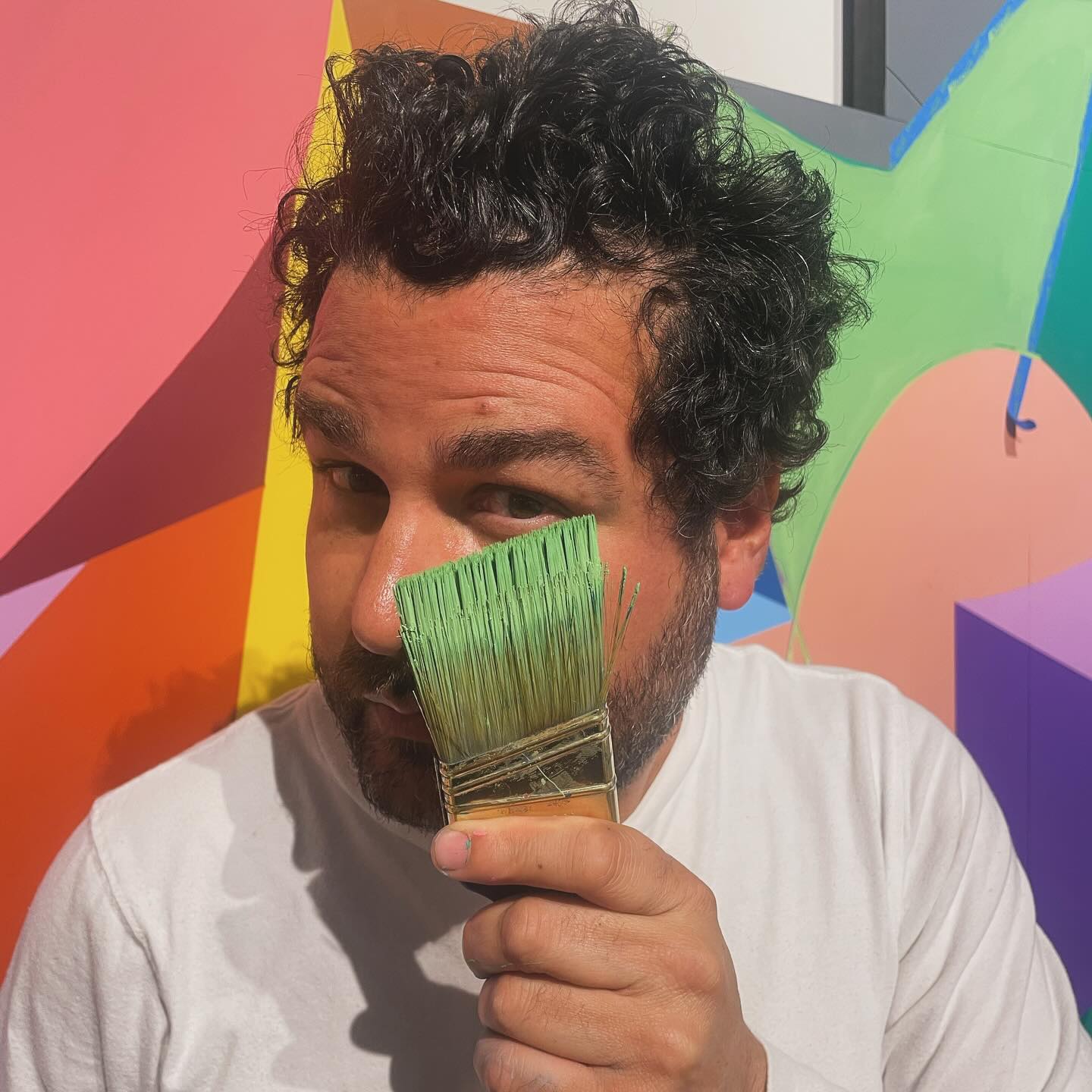
In this final slide show, we see artist Leonardo Moleiro on-site painting his mural during the exhibition install.
Mirror Me
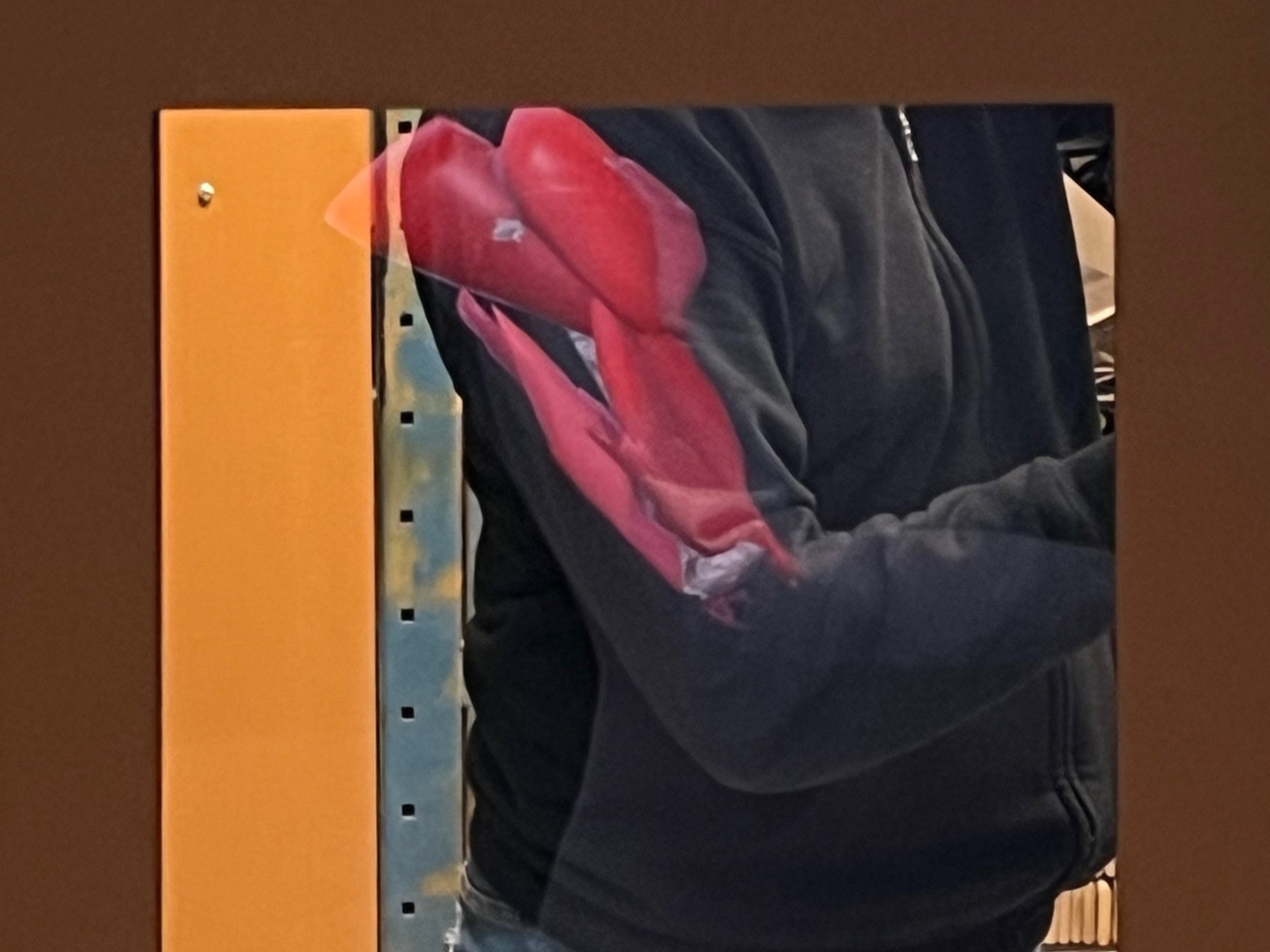
Mirror Me is a mixed-reality exhibit. Standing or seated before the smart mirror, visitors see their reflection merged with a real-time animation of their upper-body musculature, transforming a familiar gesture—a bicep curl—into an immediate and intuitive lesson in human movement.
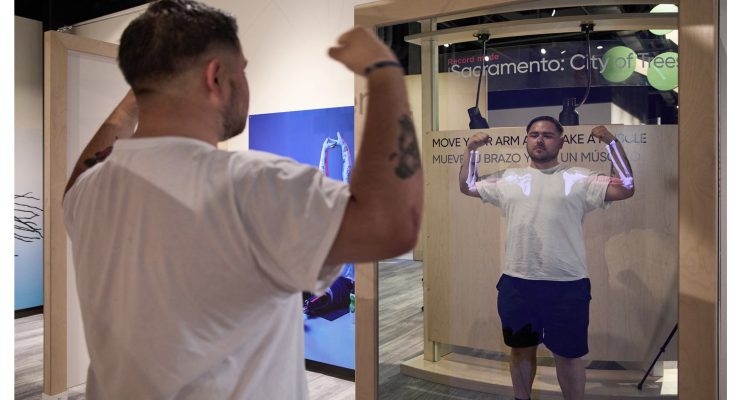 Visitor using the exhibit. The slight misalignment between augmented bones and muscles and the visitor is an artefact of the photo. The skeleton appears perfectly superimposed for the visitor as its based on their tracked eye position.
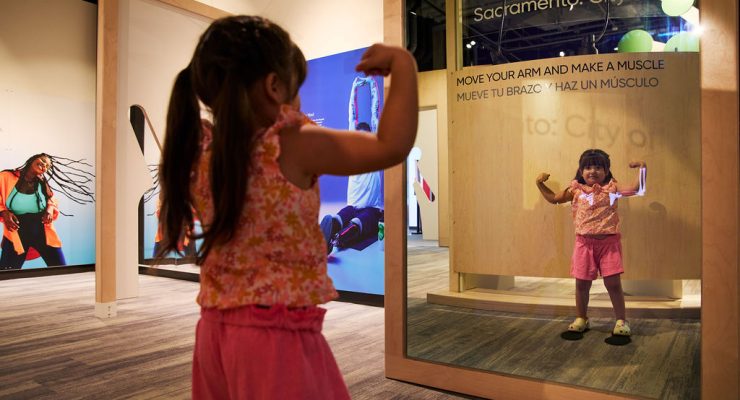 Visitor using the exhibit. The slight misalignment between augmented bones and muscles and the visitor is an artefact of the photo. The skeleton appears perfectly superimposed for the visitor as its based on their tracked eye position.
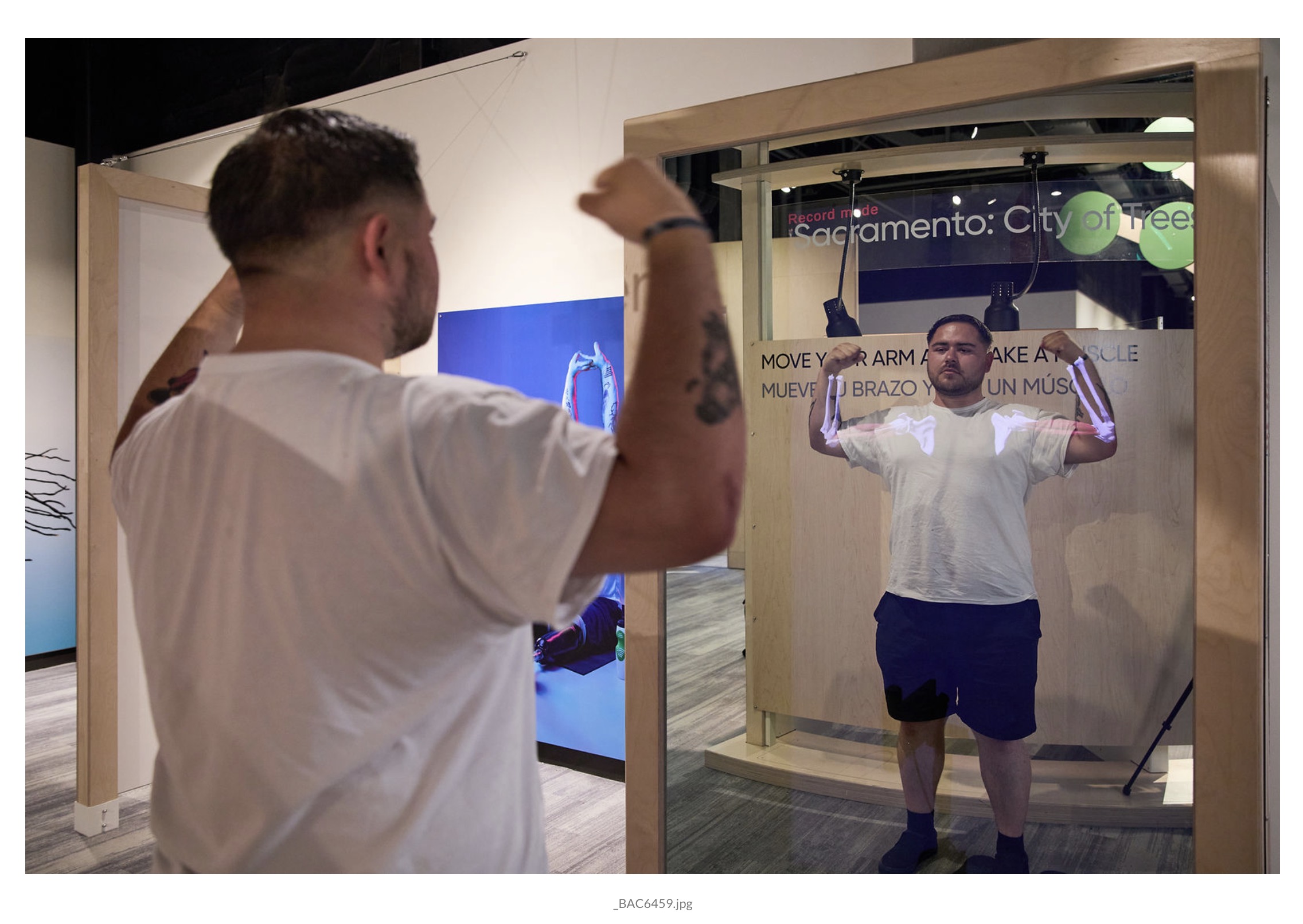
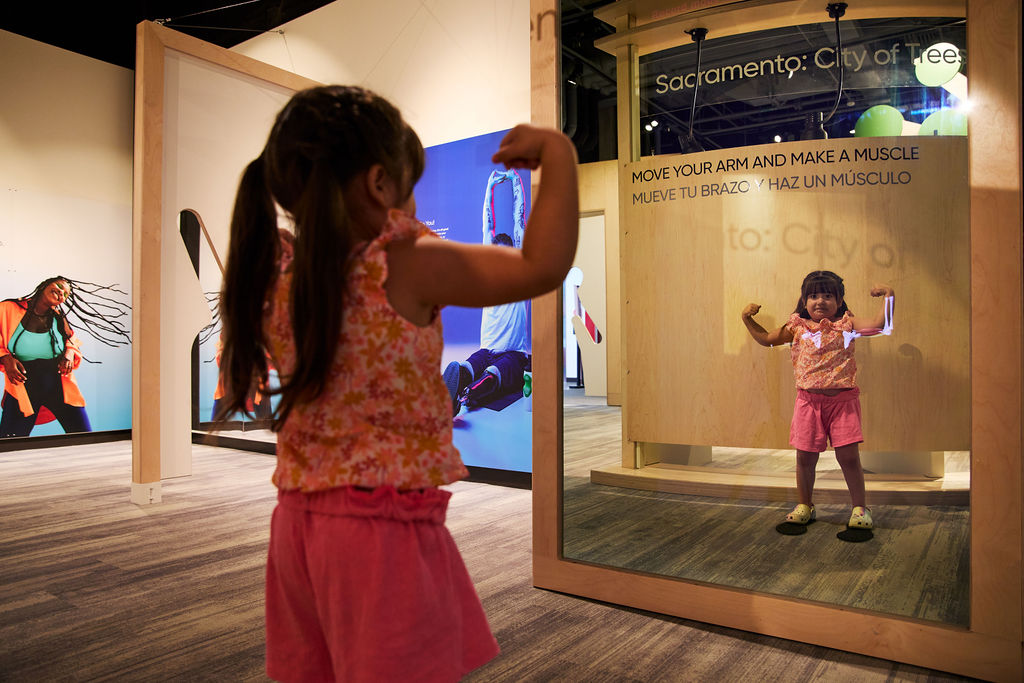
What makes the experience especially compelling is its fidelity and responsiveness. As visitors move, the augmented overlay mirrors their actions in sync, revealing the contraction of the bicep and surrounding muscles with a level of precision that makes the anatomy feel present within the mirror itself rather than simply displayed on top of it.
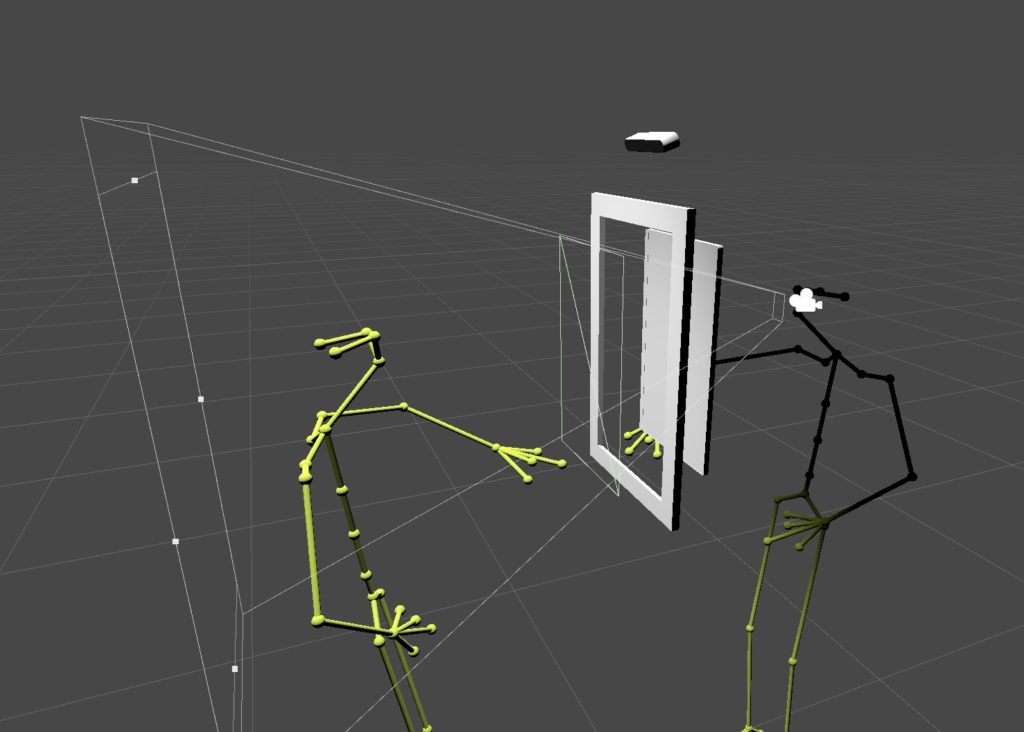
This image explains the rendering process. The 3D camera above the exhibit captures the visitor’s eye locations. We use this to calculate where their mirror skeleton should appear. We render the bones and musculature onto this mirror image and display it on the screen positioned behind the semi-silvered front mirror.
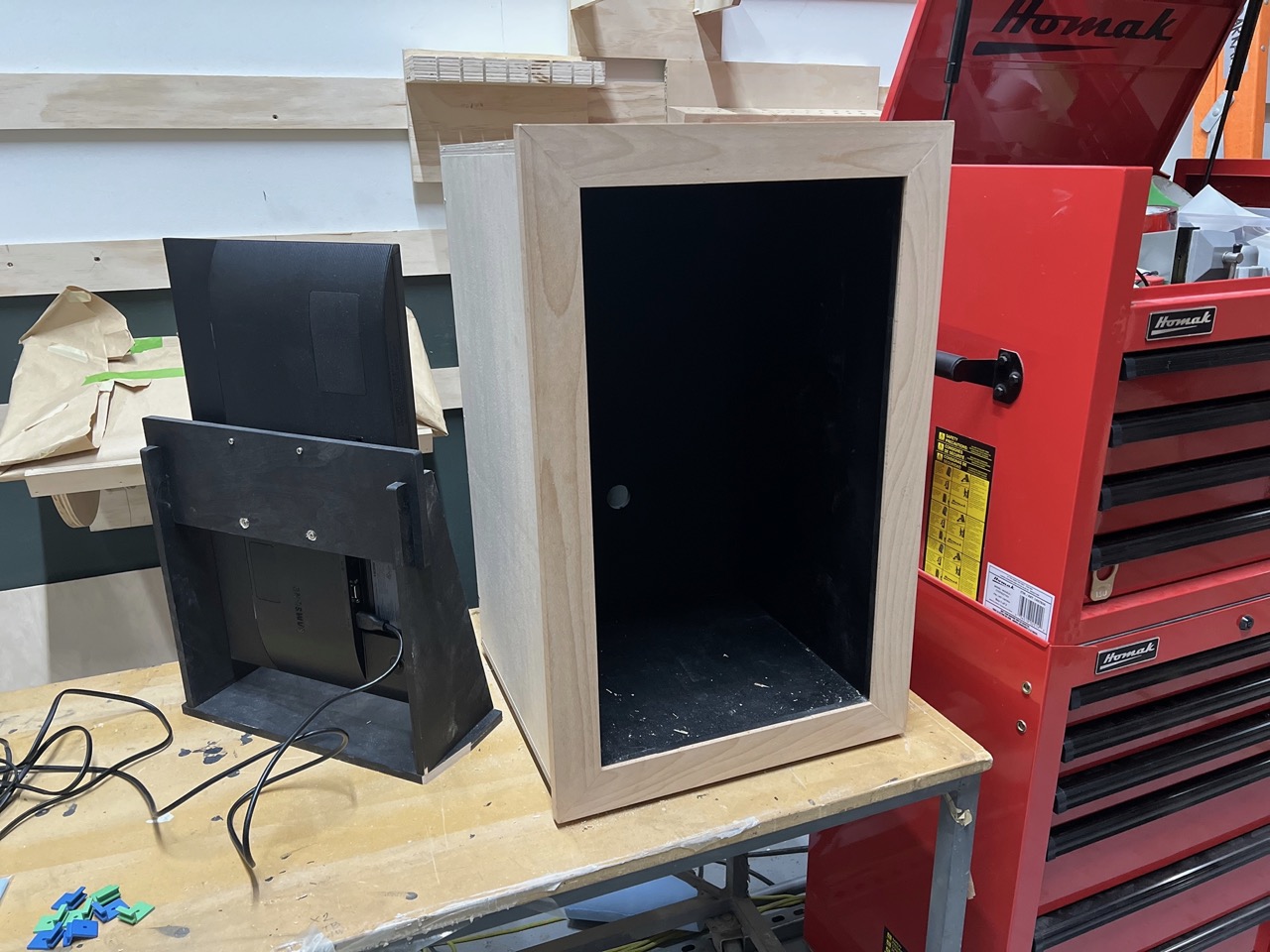
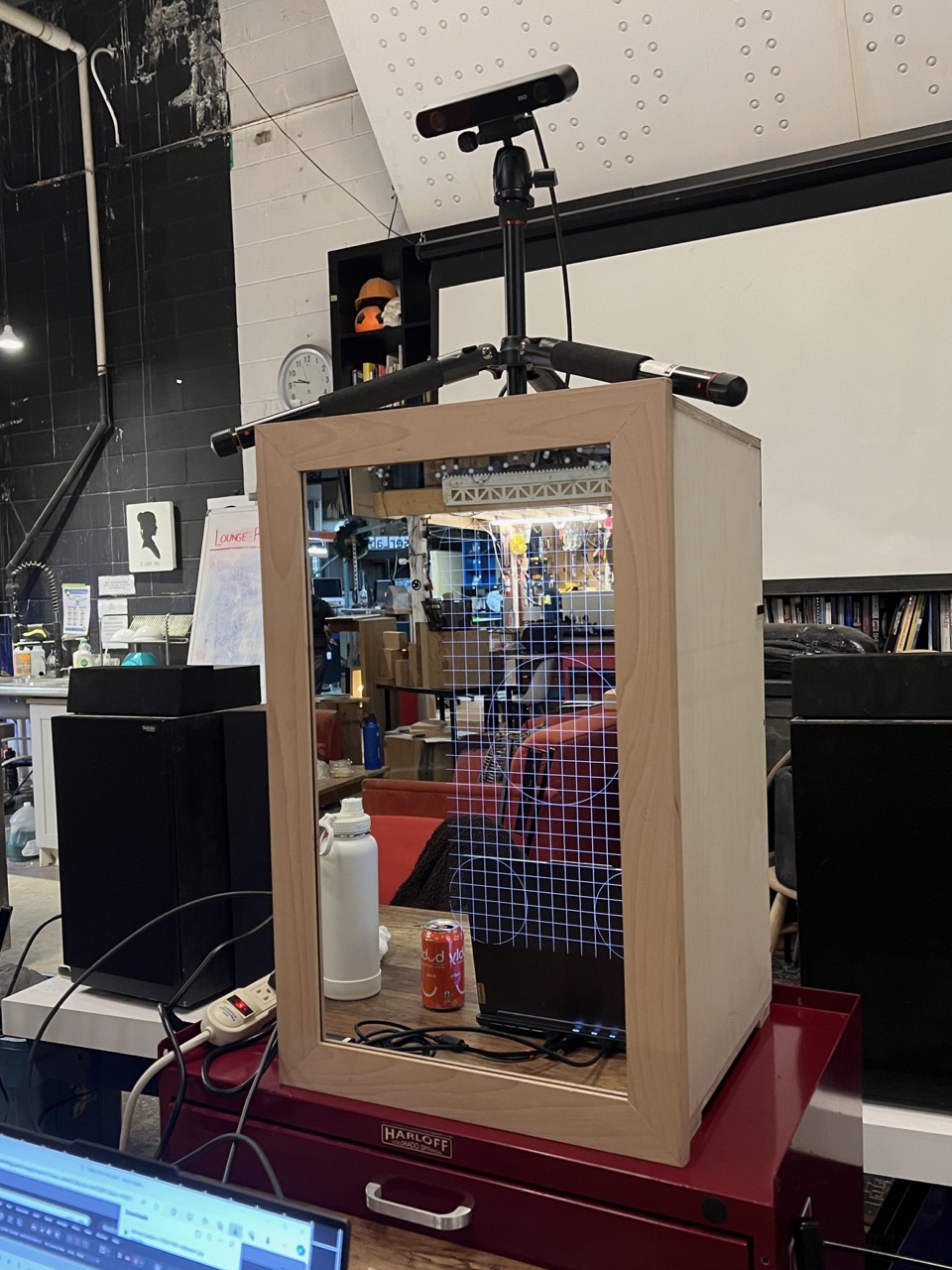
As with any technically-complex exhibit, success is achieved through iteration and feedback. In the case of Mirror Me, EDM constructed a small-scale version to prove out the hardware and software. In the selection of images below, we see the test rig.
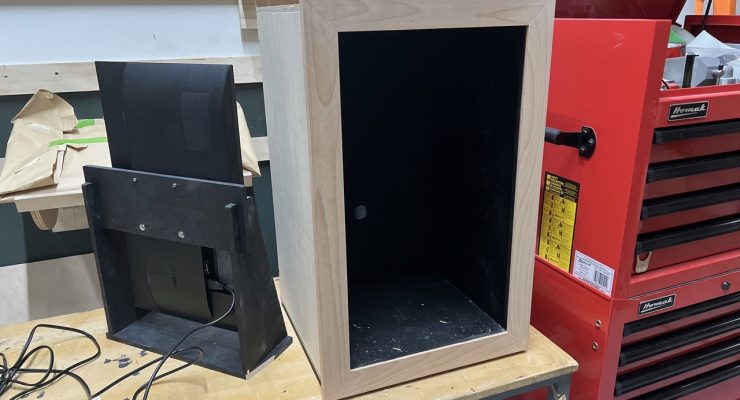 Miniaturized version of the final exhibit. The inside and the adjacent monitor mount are painted matte b/ack to avoid reflections.
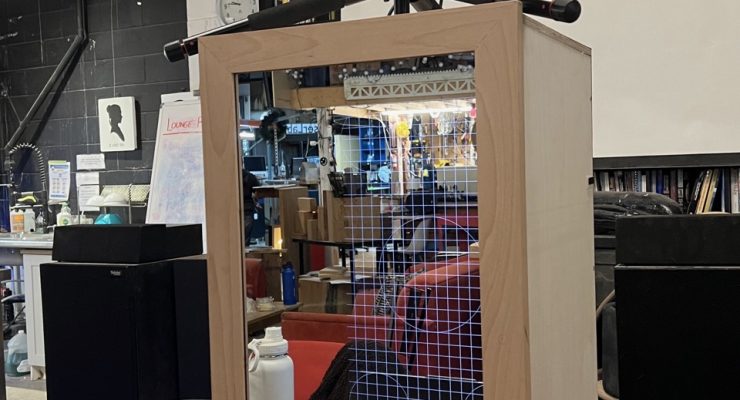 Here we see the completed unit with the partially-silvered mirror installed with the ZED stereo camera above.
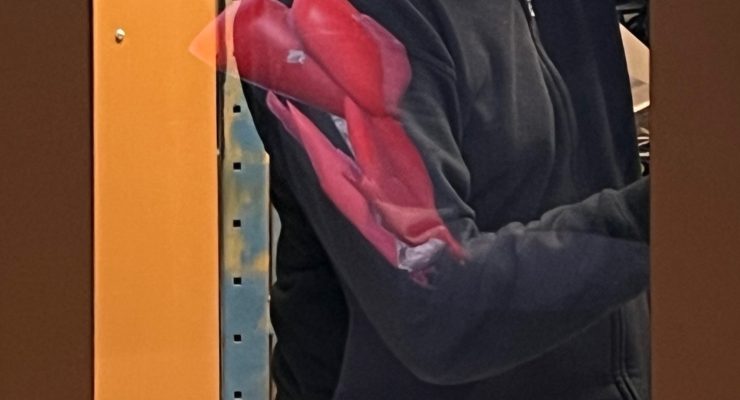 The augmented muscle is being displayed on the monitor hidden behind the security mirror. To the viewer though, it feels like it is “behind” the mirror.
Developed in collaboration with Anatomy Lab’s Alexander Gröbner, the exhibit balances visual impact with scientific accuracy. A low-latency depth camera mounted discreetly behind the mirror captures the visitor’s 3D pose, while custom EDM software adjusts the reflected anatomical imagery according to eye position and spatial geometry, sustaining the illusion of depth within the mirrored scene.
The result is an experience that feels effortless for the visitor while relying on a sophisticated integration of tracking, animation, and spatial calibration behind the scenes.